 Sport In Luxembourg
Train. Measure. Improve.
Free calculators, saved results, and training programs for athletes and coaches.
Start here
Knowledge, tools, and training — everything you need to become a stronger version of yourself.
Popular
 31.10.2026
·
5 min read
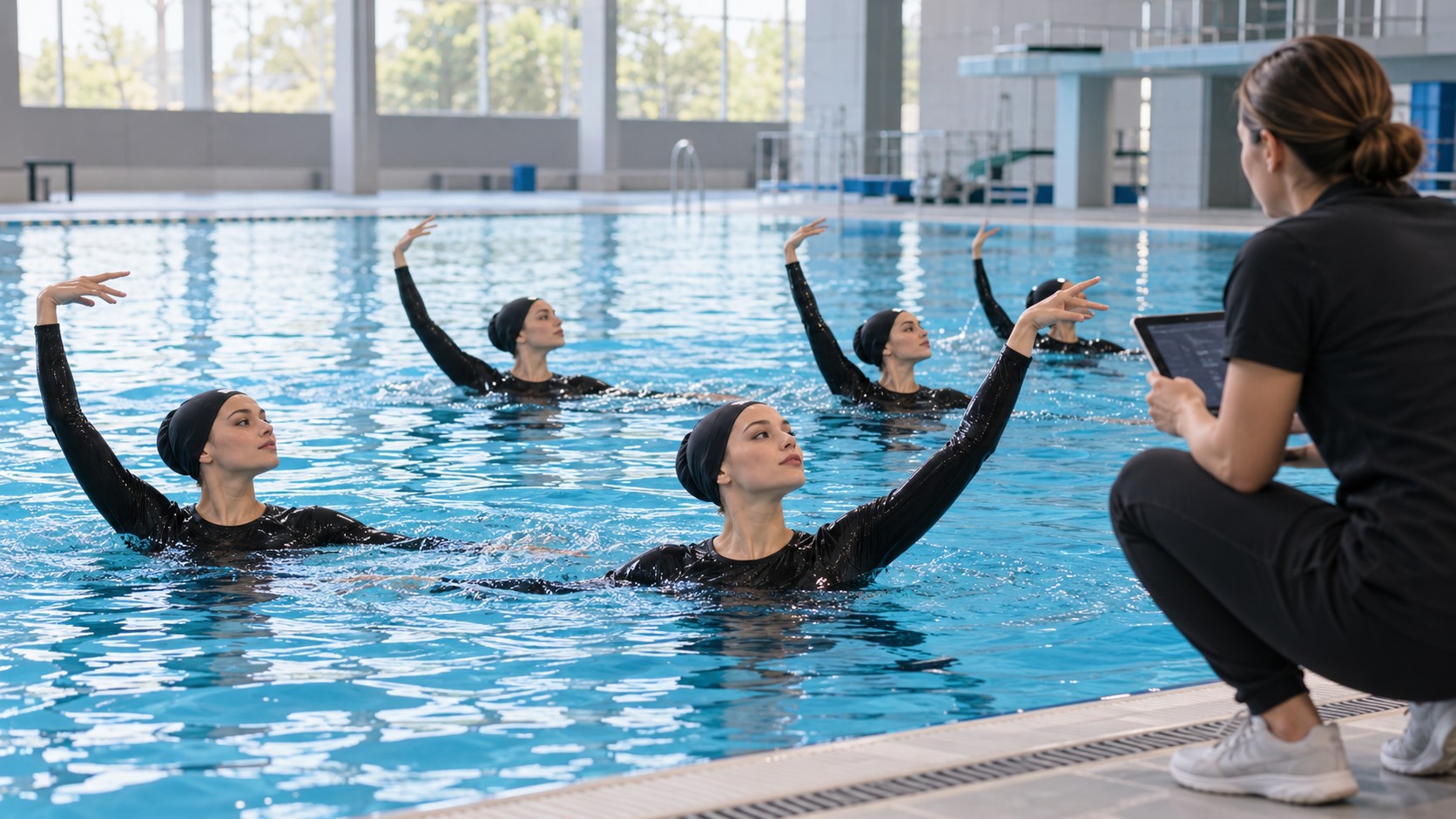
Injuries in Artistic Swimming: Incidence, Location and Burden
Read more →
 31.10.2026
·
5 min read
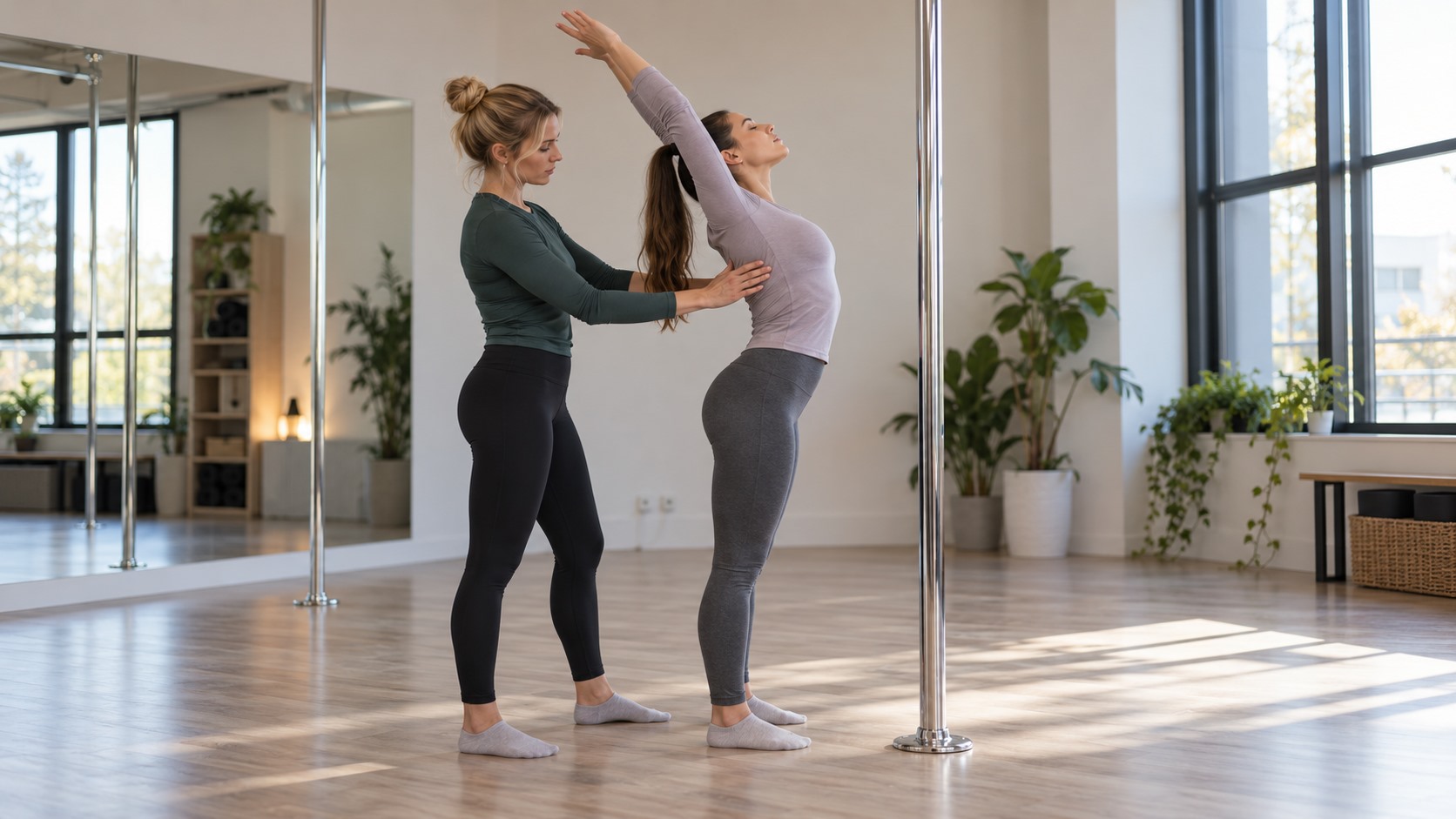
A Flexible Back, a Strong Back? Mobility, Strength and Control in Pole Sport
Read more →
 31.10.2026
·
5 min read
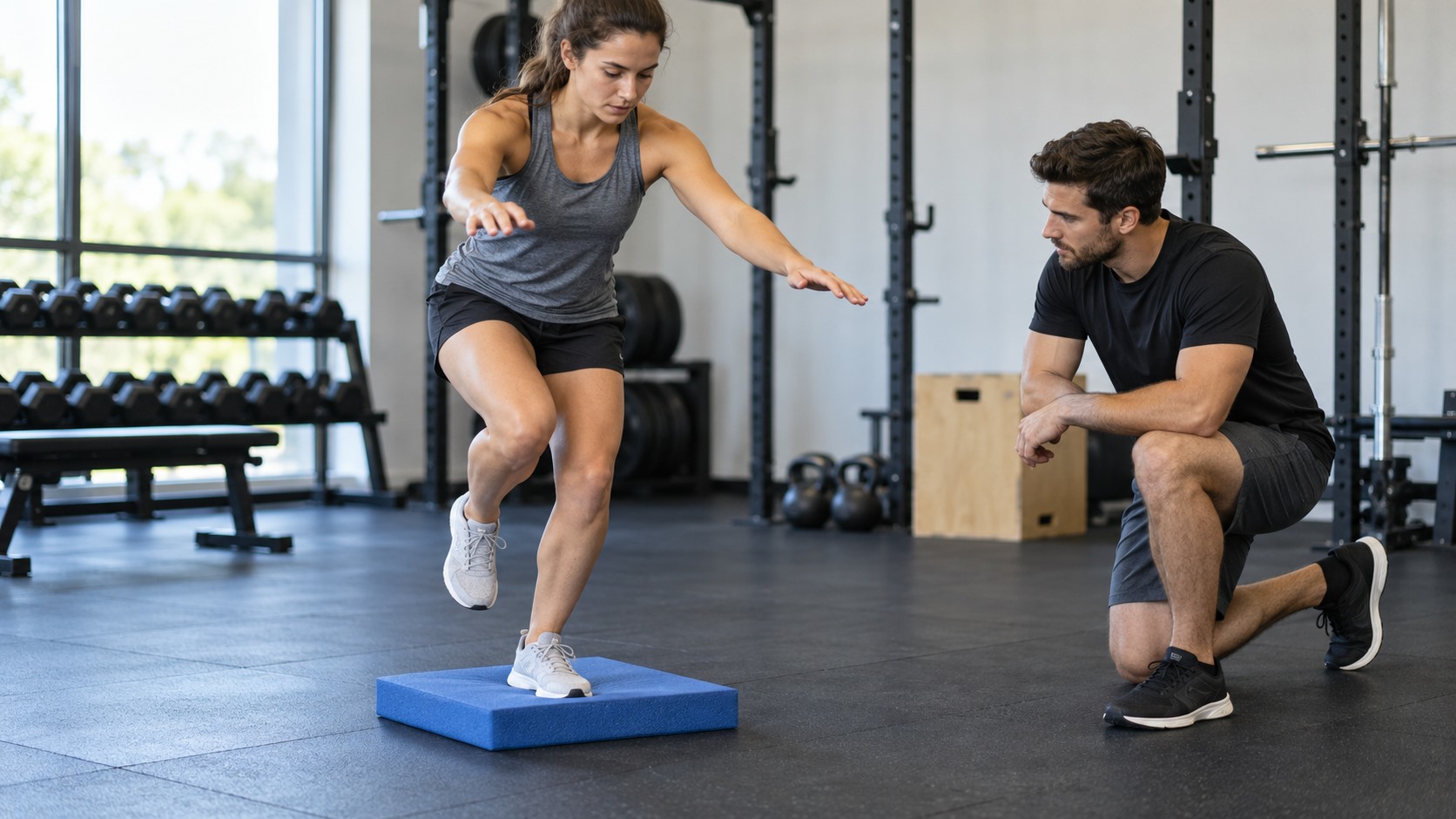
Balance Training: How Much Does It Reduce the Risk of Ankle Sprain
Read more →
Tools
Free, science-based tools — no signup required.
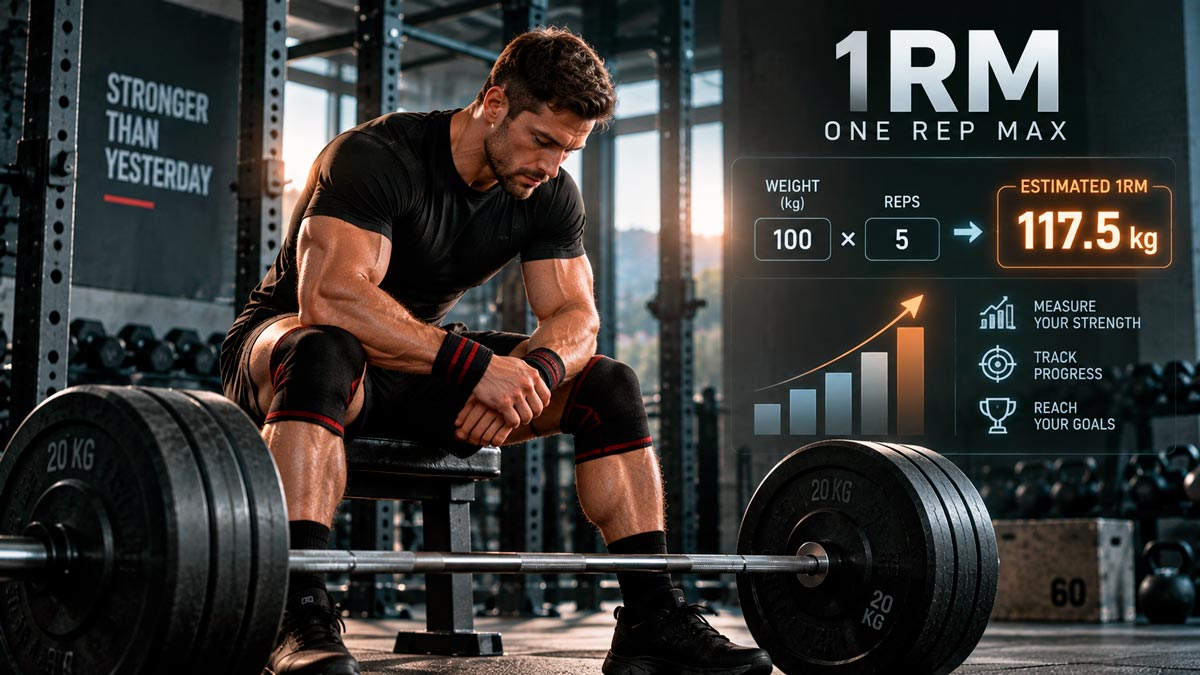
Estimate your one-rep max for bench press, back squat, or deadlift using the Epl...
Calculate your Basal Metabolic Rate (BMR) and Total Daily Energy Expenditure (TD...
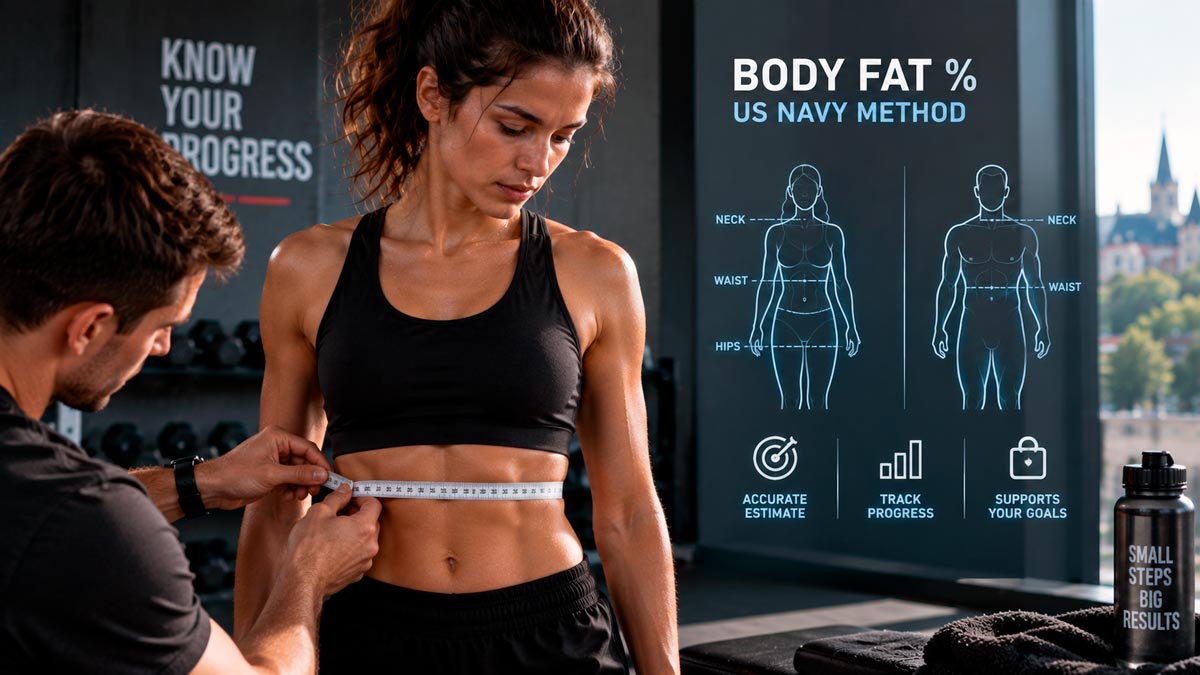
Estimate your body fat percentage using the U.S. Navy circumference method — jus...
Get a personalized warm-up plan based on your age, fitness level, and training t...
Sport in Luxembourg is a platform for athletes, coaches and anyone who wants to approach training systematically. Sports calculators, performance history, training programs and evidence-based content are brought together in one place.
Instead of choosing training loads at random, constantly training to failure or copying someone else’s routine, you can use your own performance data and track how it changes over time.
One-repetition maximum, or 1RM, is one of the key reference points in strength training. It provides an estimate of your current strength level and helps determine training loads relative to your individual capabilities.
With Sport in Luxembourg, you can calculate your estimated 1RM, save your strength results and use them as baseline data when building your training process.
This makes it possible to move away from the idea that every workout must be as hard as possible. Instead, intensity, volume and training load can be distributed systematically throughout a training cycle.
Strength progress depends on more than how much weight you can lift today. Training volume, intensity, fatigue management, recovery and the distribution of training stress all matter.
Sport in Luxembourg therefore uses structured training cycles rather than isolated workouts.
Training loads can be calculated from the athlete’s strength data, while the duration, frequency and structure of a cycle can vary depending on the selected training method.
When baseline performance changes, a training cycle can be recalculated while previous versions remain part of the athlete’s history.
This gives athletes and coaches a clearer view of how the training process develops over time.
Sport in Luxembourg provides practical calculators for training and physical assessment, including tools for estimating one-repetition maximum and energy expenditure.
You can use the calculators without creating an account.
Registered users can save calculation results and use their data as part of their long-term progress history.
Body weight, body measurements, body composition and strength results are much more useful when viewed over time.
Sport in Luxembourg allows registered users to store measurements and calculation results so that changes can be tracked across weeks and months.
Instead of judging progress from one workout or one measurement, you can work with your actual history.
Sport in Luxembourg supports both independent athletes and coach-guided training.
Athletes can keep their own performance data, follow training programs and monitor progress.
Coaches can work with athlete data and, when permission is granted, manage or adjust parts of the training process.
The goal is to make a training program more than a static spreadsheet or PDF. It becomes a structured system that can evolve together with the athlete.
Sport in Luxembourg also publishes articles about strength training, recovery, sports physiology, nutrition and training methodology.
The aim is to separate useful training principles from fitness myths and turn research into information that athletes can actually use.
Calculate your performance, save your results, track your progress and use your data to build a more structured training process.
Don’t just train harder. Train smarter and more precisely.